Visit a solo exhibition that redefines a familiar medium
Read a focused exhibition through repetition, installation, sound, and the small changes that reset expectation.
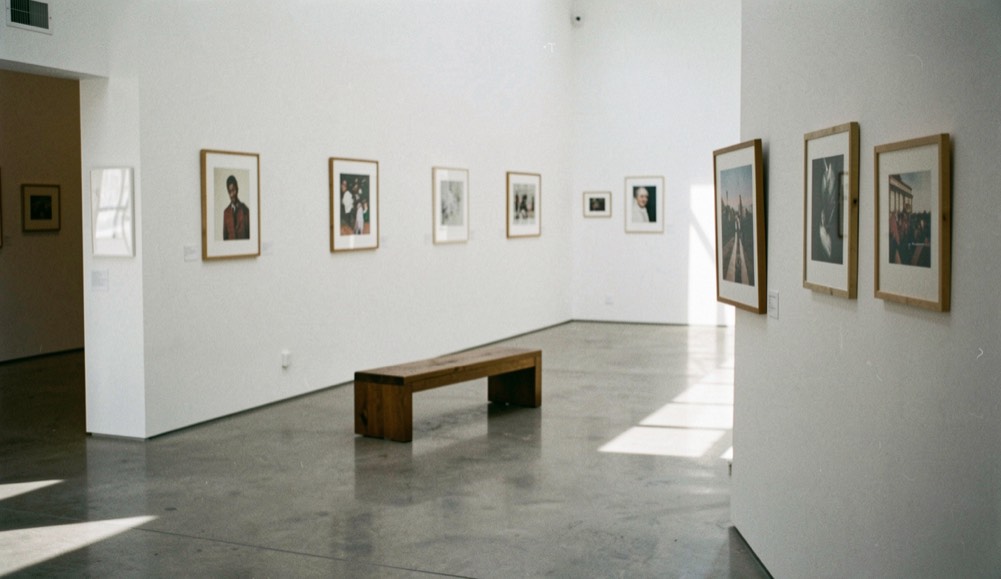
A solo exhibition can make a familiar medium feel strange again by changing the conditions around it. The work may repeat a material, but the room gives each repetition a new pressure. Instead of asking whether the medium is new, ask what the installation allows it to do that a single object could not.
Notice the rule
Many focused exhibitions begin with a rule: a repeated size, a restricted palette, a recurring gesture, or a fixed relation to the wall. Find that rule, then look for the moment when it bends. The bend is often where the exhibition becomes more than a demonstration.
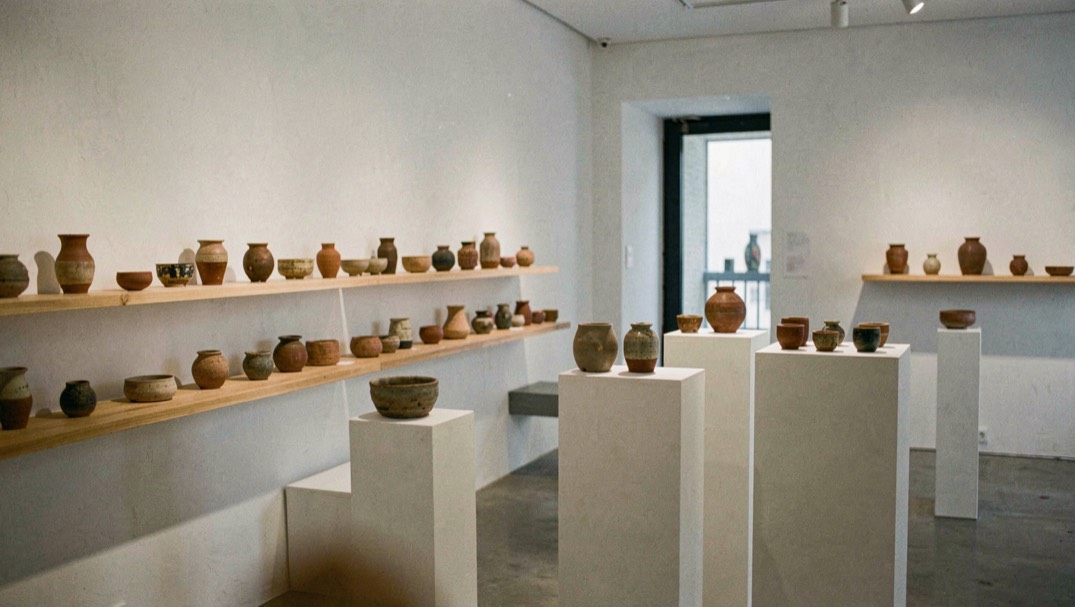
The restricted palette has a long history of its own: painters from the cave walls onward have built images from a handful of earth pigments such as yellow and red ochre, and the limit becomes part of what the work says.
Listen to the room
Sound, silence, footfall, and the distance between visitors shape how a medium is received. A room can make a fragile work feel public or a monumental one feel intimate. Include those conditions in the description rather than treating them as atmosphere alone.
Return to the first work
The last room changes the first. On a second pass, ask what the exhibition taught you to notice. This simple loop makes a review accountable to the full sequence and prevents the loudest work from becoming the only memory.
A familiar medium becomes newly difficult when the exhibition changes the conditions in which it is read. Ceramics can become a question of architecture; painting can behave like a timed sequence; photography can acquire weight through the wall, the light, and the distance between prints. The point is not to announce that the medium has been reinvented. It is to identify the rule that makes each object arrive differently in the room.
Installation is not merely the background around an artwork. The choice of height, interval, plinth, threshold, sound, and route controls what can be seen together and what must be remembered. Tate’s writing on installation art is useful as a historical prompt because it treats the relation between objects and the viewer’s spatial experience as part of the form. Use that idea carefully: describe the actual arrangement before applying the category.
Repetition supplies the exhibition with a grammar, but variation gives it a voice. Count the returns of a size, colour, gesture, or material, then find the first meaningful break. A slightly lower object may alter the visitor’s posture; a rougher surface may interrupt a sequence of polished ones; an empty wall may function as a pause. These details turn “coherence” into something a reader can inspect rather than a compliment applied after the fact.
End where you began. On the return pass, ask what the final room has taught you to notice in the opening work. If the answer is only that the show was consistent, the reading has stopped too soon. A stronger conclusion names the new relation: a repeated form now feels architectural, a quiet gap now feels deliberate, or the medium’s familiar promise has become a question about scale and attention.
Observe first, name the decision, then test the interpretation against the whole work.
Method note. This reading is an editorial guide, not a report of a private visit or a promise about a market outcome. The Ochre Editorial Desk works to this standard. See the editorial policy for the standard used across the magazine.
Research notes
Sources for this reading
The article uses original editorial language and the following references for definitions, context, or method. They are linked for verification, not reproduced.
Next readings
Follow the thread
Review a group show that rewards slow looking
A method for reading the conversation between works, rooms, pauses, and the visitor’s own pace.
Discover a sculptor who transforms found industrial material
A guide to reading weight, joins, patina, and the afterlife of materials in an assembled sculpture.
Drinks, bar literacy and the evening
How to read a bar menu, trust a declared cocktail formula, drink less without pressure, and what pre-Prohibition cocktail writing still explains.